When to visit North Cyprus? Hot dry summers, mild winters, spring flowers and a warm autumn sea: a month-by-month weather and sea guide for Kyrenia.
North Cyprus climate at a glance
When to visit North Cyprus? The short answer is almost any time, but each season offers a different kind of holiday. The island has a classic Mediterranean climate: hot, dry summers and mild, relatively wet winters. Sunny days are plentiful, and most of the rain falls between December and February. Sea swimming is enjoyable roughly from May to November. The figures below are approximate averages for the Kyrenia coast; they vary from year to year and week to week, so always check a current forecast before you travel.
Winter: December, January, February
December
Days are mild, with daytime temperatures mostly in the 15–20 °C range. Rainy days begin, but there is still plenty of sunshine. The sea is around 19–20 °C; for most people swimming now feels cold rather than refreshing.
January
The coolest time of the year. Days are typically around 15 °C and nights cooler. The Kyrenia mountains turn green. A quiet time for walks, museums and exploring towns.
February
Still winter, but the days lengthen and the first wild flowers appear. The sea is near its coolest, at roughly 16–17 °C.
Spring: March, April, May
March
The island bursts into bloom: hillsides turn yellow and red, and wild orchids can be spotted. Days are mild and evenings cool, ideal for nature walks.
April
One of the best months for hiking, cycling and visiting places such as Bellapais or St Hilarion. Daytime temperatures usually climb above 20 °C. The sea is still cool.
May
Summer makes itself felt. The sea reaches around 20 °C and the swimming season opens for the brave. A lovely month to enjoy the sun before the crowds arrive.
Summer: June, July, August
June
Long, sunny, hot days. The sea warms to roughly 23–25 °C. Rain is rare.
July
The hottest stretch of the year begins, with daytime temperatures often above 30 °C and on some days above 35 °C. Spend midday in the shade or in the water, and plan sightseeing for early morning and late afternoon.
August
The sea reaches its warmest, at around 27–28 °C. Evenings mean dinner by the harbour and cooling off by the water. Drink plenty of water and do not skimp on sunscreen.
Autumn: September, October, November
September
For many travellers, the best month of all. It is still hot, but the peak summer heat has passed, and the sea, at around 27 °C, is wonderfully inviting.
October
Warm, sunny days and pleasantly cool evenings. The sea holds on to its summer warmth at around 24–25 °C. Ideal if you want to combine swimming with sightseeing.
November
The first rains arrive, but sunny days still dominate. At roughly 21–22 °C the sea is still swimmable, a good chance for the last beach days of the season.
Which season suits whom?
When choosing a season, think about what you want from your trip as well as the weather. Summer is lively: the harbour fills up in the evenings and the sea is at its warmest. The shoulder months of spring and autumn are calmer, with mornings for walking, afternoons for swimming and evenings for dinner in a cool breeze. In winter the island slows down, which has its own charm if you are looking for a peaceful town break away from the crowds.
- Sea and sun: June to September; September and October if you prefer less heat.
- Hiking and wild flowers: March and April.
- Sightseeing and culture: April to May and October to November.
- A quiet town break: December to February.
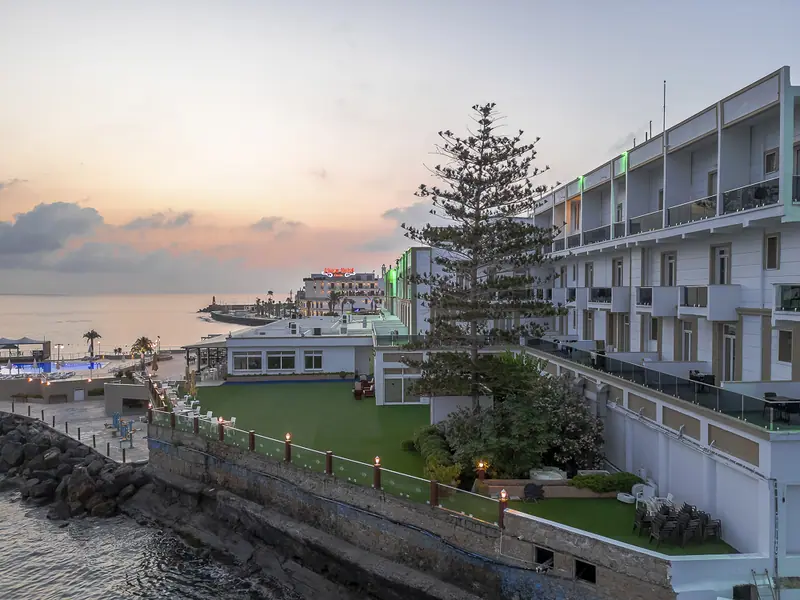
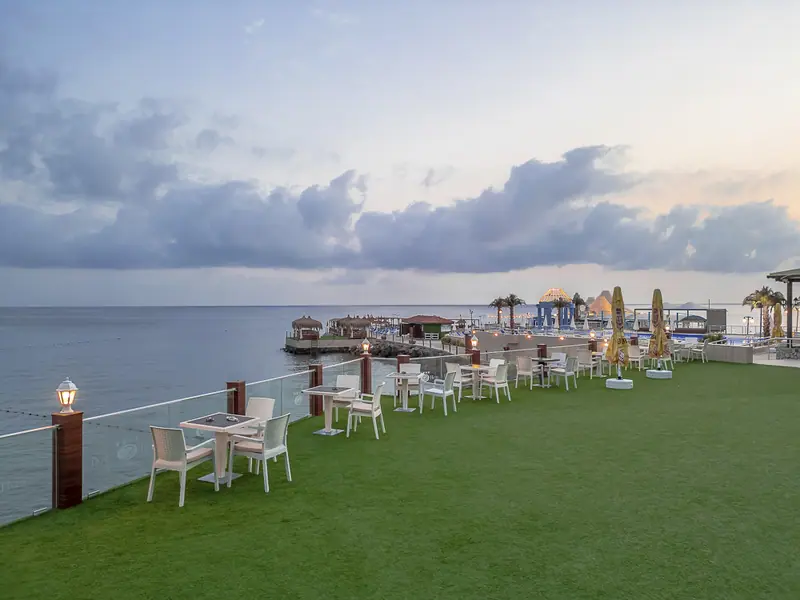
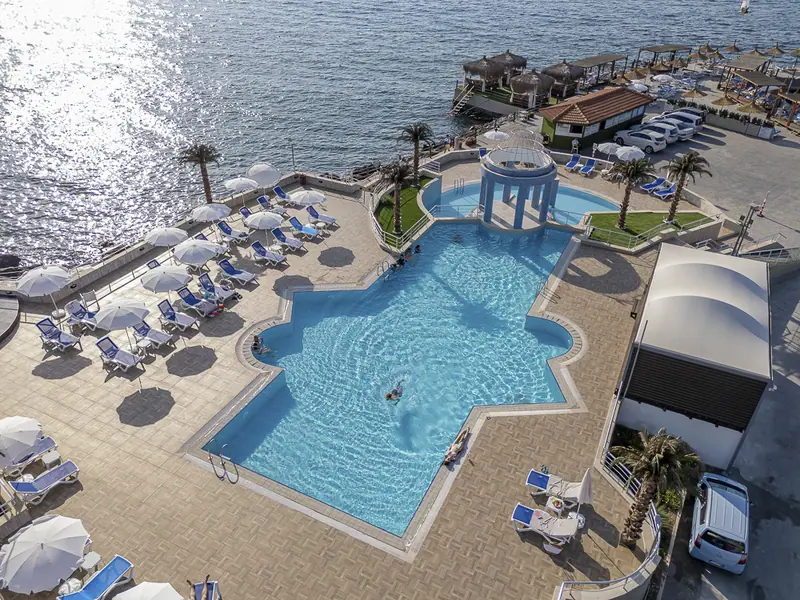
Even when the sea is cooler, the Dome Hotel's outdoor pool and direct sea access make Kyrenia enjoyable across the seasons; when conditions allow, you can step straight from the rocks into the Mediterranean.
The temperatures here are approximate averages and change from year to year. In summer, pack a hat, sunscreen and a water bottle; in winter, bring a light jacket and a rain layer. Always check the current forecast before you set off.
On Kyrenia harbour since the 1930s. Best rate when you book direct.